 For Providers
Hamstring Strain
A hamstring strain is a tear in one or more of the muscles on the back of the thigh, usually during sprinting or a sudden stretch.
Symptoms
- Sudden sharp pain in the back of the thigh while running or kicking
- Pain with walking, bending, or stretching the leg
- Tenderness and sometimes bruising on the back of the thigh
- Weakness when bending the knee
Causes and who gets it
Hamstring strains are among the most common injuries in sprinting sports such as track, soccer, and football. A previous hamstring injury, fatigue, and weak hamstrings increase the risk.
How it is diagnosed
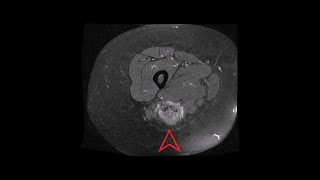
Diagnosis is usually made from the history and exam. Imaging is used for severe injuries, injuries near the sit bone, or when a tendon may have pulled off the bone.
Treatment
- Relative rest from painful activity in the first days
- Progressive rehabilitation: walking, gentle stretching, then strengthening, then running drills
- Eccentric strengthening such as the Nordic hamstring exercise helps prevent re-injury
- Gradual return to sprinting before returning to full sport
- Complete tears off the bone may need surgical repair, and timing matters
Recovery time
Mild strains often return to sport in 1 to 3 weeks; moderate strains in about 4 to 8 weeks. Severe tears and tendon avulsions take months. Rushing back is the most common reason hamstrings tear again.
When to see a doctor
- A large bruise in the back of the thigh, or a gap you can feel
- Pain at the sit bone after a forceful stretch, such as water-skiing or a split
- You cannot walk normally after a few days
- Repeated hamstring injuries
Clinical pearls
- Proximal injuries with an audible pop and ecchymosis warrant MRI to look for avulsion
- Proximal avulsions involving multiple tendons with retraction are commonly referred for early surgical repair
- Intramuscular tendon involvement is associated with longer return-to-play and higher recurrence
- Nordic hamstring curls reduce hamstring injury incidence when built into training
- Return-to-play criteria: pain-free full range, symmetric strength, and completion of graded high-speed running
Videos
Other injury guides
This guide is for general education and is not a substitute for medical advice. If you have an injury, see a qualified clinician for diagnosis and treatment.