 For Providers
ACL Tear
The anterior cruciate ligament (ACL) keeps the shin bone from sliding forward and twisting under the thigh bone. It is usually torn during a sudden pivot, landing, or change of direction.
Symptoms
- A pop at the time of injury
- Rapid knee swelling within hours
- A feeling of the knee shifting or giving way
- Difficulty returning to cutting or pivoting sports
Causes and who gets it
Most ACL tears are non-contact: decelerating, cutting, or landing with the knee collapsing inward. Soccer, basketball, football, skiing, and volleyball carry the highest risk. Female athletes tear the ACL at higher rates, and neuromuscular warm-up programs reduce the risk.
How it is diagnosed
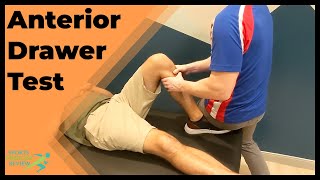
The Lachman test is the most sensitive exam for an ACL tear. MRI confirms the tear and shows injuries that often come with it, such as meniscus tears and bone bruises.
Treatment
- Early physical therapy to restore motion, reduce swelling, and regain quadriceps strength
- ACL reconstruction is commonly recommended for people who want to return to cutting and pivoting sports
- Some less active people do well with structured rehabilitation alone
- Return to sport should be based on strength and functional testing, not just time since surgery
Recovery time
After reconstruction, return to cutting and pivoting sports usually takes about 9 to 12 months. Returning earlier is associated with a higher re-injury rate.
When to see a doctor
- A pop with immediate swelling after a twisting injury
- The knee gives way during normal activity
- The knee locks or cannot fully straighten (possible meniscus tear)
- Numbness, a cold foot, or severe deformity (seek emergency care)
Clinical pearls
- Lachman is the most sensitive exam test; pivot shift is the most specific but is often limited by guarding acutely
- Acute hemarthrosis after a non-contact pivot is an ACL tear until proven otherwise
- A Segond fracture on X-ray is highly associated with ACL rupture
- Check for associated meniscal tears, MCL injury, and posterolateral corner injury, which change surgical planning
- Neuromuscular injury-prevention programs reduce ACL injury rates and are worth recommending to teams
Videos


Other injury guides
This guide is for general education and is not a substitute for medical advice. If you have an injury, see a qualified clinician for diagnosis and treatment.