 For Providers
Achilles Tendinopathy
Achilles tendinopathy is pain and stiffness in the large tendon at the back of the ankle, usually from overload in running and jumping sports.
Symptoms
- Pain and stiffness at the back of the heel or a few inches above it
- Stiffness first thing in the morning or after sitting
- Pain at the start of exercise that may warm up, then worsen afterward
- A thickened or tender tendon
Causes and who gets it
Rapid increases in running, hills, or jumping, along with calf weakness, cause most cases. It is more common in middle-aged runners and recreational athletes. Some medications, including fluoroquinolone antibiotics, raise the risk of tendon problems.
How it is diagnosed
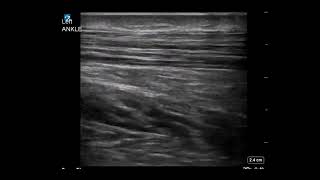
Diagnosis is clinical. Ultrasound or MRI can show tendon thickening and tears and help separate mid-portion tendinopathy from problems where the tendon attaches to the heel.
Treatment
- Reduce aggravating load without complete rest
- A progressive calf and tendon loading program over about 12 weeks is the most effective treatment
- A small heel lift may reduce pain short term
- Avoid corticosteroid injections into the Achilles tendon because of rupture risk
- Persistent cases may be considered for procedures such as shock wave therapy
Recovery time
Most people improve over 3 to 6 months of consistent loading. Insertional tendinopathy often takes longer.
When to see a doctor
- A sudden pop or the feeling of being kicked in the back of the leg (possible rupture)
- You cannot push off or rise onto your toes
- Heel pain with swelling and redness
- Pain not improving after several months of rehab
Clinical pearls
- Thompson test and Matles test screen for complete rupture, which is frequently missed in primary care
- Distinguish mid-portion (2 to 6 cm above insertion) from insertional tendinopathy; loading programs differ
- Eccentric or heavy slow resistance loading are both supported for mid-portion tendinopathy
- Avoid intratendinous corticosteroid injection
- Ask about fluoroquinolone exposure and systemic inflammatory disease
Videos


Other injury guides
This guide is for general education and is not a substitute for medical advice. If you have an injury, see a qualified clinician for diagnosis and treatment.